AI & Machine Learning (AI & ML)
Introduction
Artificial Intelligence (AI) and Machine Learning (ML) are emerging technologies that enable machines and electronic systems to perform tasks that normally require human intelligence. AI helps machines understand, reason, and make decisions, while ML enables systems to learn from data and improve their performance without being explicitly programmed.
How It Works
AI systems use algorithms and data to make decisions or perform tasks. In ML, large amounts of data are used to train models to identify patterns and make predictions. Sensors and electronic devices collect real-time data, which can then be processed using AI/ML algorithms.
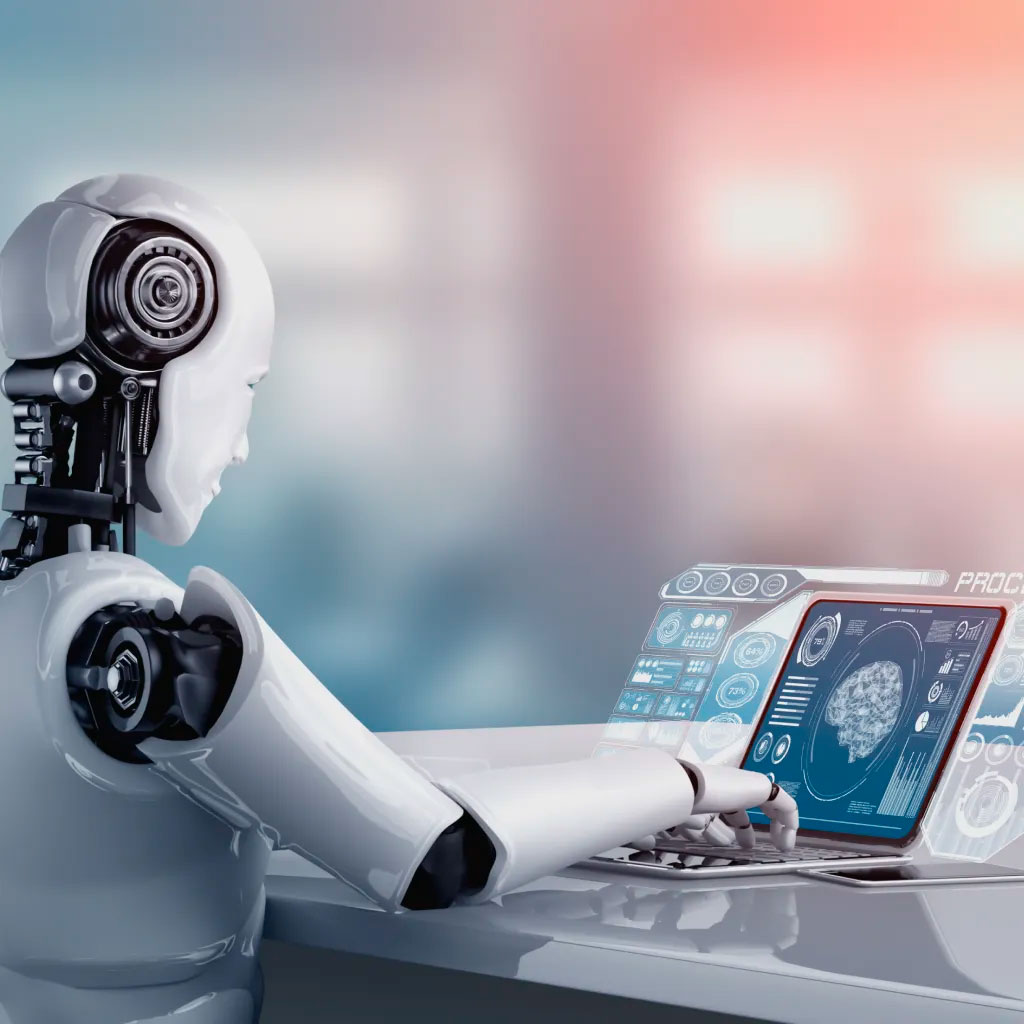
Applications in Electrical & Electronics Engineering
- Smart Grids – Predicting electricity demand and detecting faults
- Renewable Energy – Forecasting solar and wind power generation
- Electric Vehicles – Battery monitoring, energy management, and predictive maintenance
- Industrial Automation – Intelligent control of machines and robots
- Predictive Maintenance – Detecting equipment failures before they occur
- Power Electronics – Optimizing converters and control systems
- Smart Homes – Intelligent control of lighting, appliances, and security systems
- Robotics – Autonomous operation and decision-making
Advantages
- Faster and more accurate decision-making
- Automation of complex tasks
- Predictive fault detection
- Improved energy efficiency
- Reduced maintenance costs
- Real-time monitoring and control
Future Scope
AI and ML are expected to become increasingly important in smart grids, autonomous vehicles, robotics, renewable energy systems, industrial automation, and intelligent electronic devices. Their integration with IoT and advanced communication technologies will create highly intelligent and autonomous electrical systems.


Comments
Post a Comment