6G Technology
Introduction
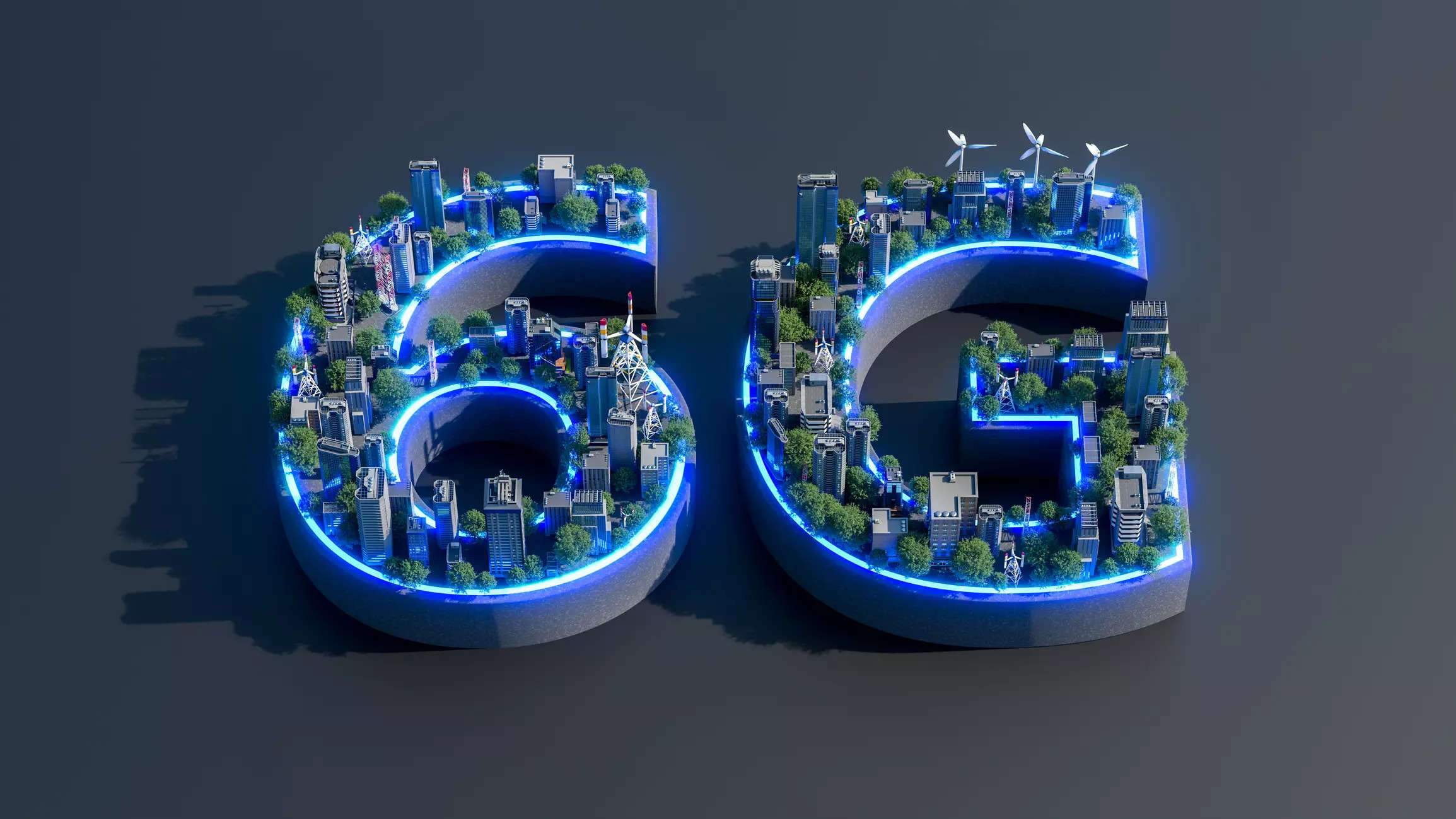
6G (Sixth Generation) Technology is the next-generation wireless communication technology being developed beyond 5G. It is expected to provide extremely high data speeds, ultra-low latency, intelligent connectivity, and seamless communication between humans, machines, and devices. 6G is expected to play an important role in future smart cities, robotics, autonomous systems, and advanced industrial applications.
Working Principle
6G is expected to use very high-frequency bands, including sub-THz frequencies, along with advanced antenna systems, AI-based network management, massive MIMO, intelligent reflecting surfaces, and integrated sensing and communication. These technologies will enable faster and more intelligent communication between connected devices.
Applications / Where It Is Used
- Smart Cities – Intelligent traffic, energy, and public infrastructure
- Autonomous Vehicles – Vehicle-to-vehicle and vehicle-to-infrastructure communication
- Industrial Automation – Real-time control of robots and smart machines
- Healthcare – Remote diagnosis, advanced telemedicine, and robotic surgery
- Augmented & Virtual Reality – Immersive AR/VR and extended reality applications
- Holographic Communication – Real-time 3D communication
- Smart Grids – Intelligent monitoring and control of electrical networks
- Internet of Everything (IoE) – Connecting people, machines, sensors, and infrastructure
Key Features
- Extremely high data rates
- Ultra-low communication latency
- Massive device connectivity
- AI-enabled intelligent networks
- Integrated sensing and communication
- Improved energy efficiency
- High reliability and security
Future Scope
6G is still under research and standardization, and widespread commercial deployment is generally targeted for around 2030. It is expected to support technologies such as AI, digital twins, autonomous systems, advanced robotics, smart grids, and immersive communication.


Comments
Post a Comment