Energy Storage System (ESS)
Energy Storage System (ESS)
Introduction
An Energy Storage System (ESS) is a technology that stores electrical energy and releases it when required. It helps balance electricity supply and demand, improves power quality, and enables the effective use of renewable energy sources such as solar and wind power. Energy storage is one of the fastest-growing technologies in Electrical and Electronics Engineering.
Working Principle
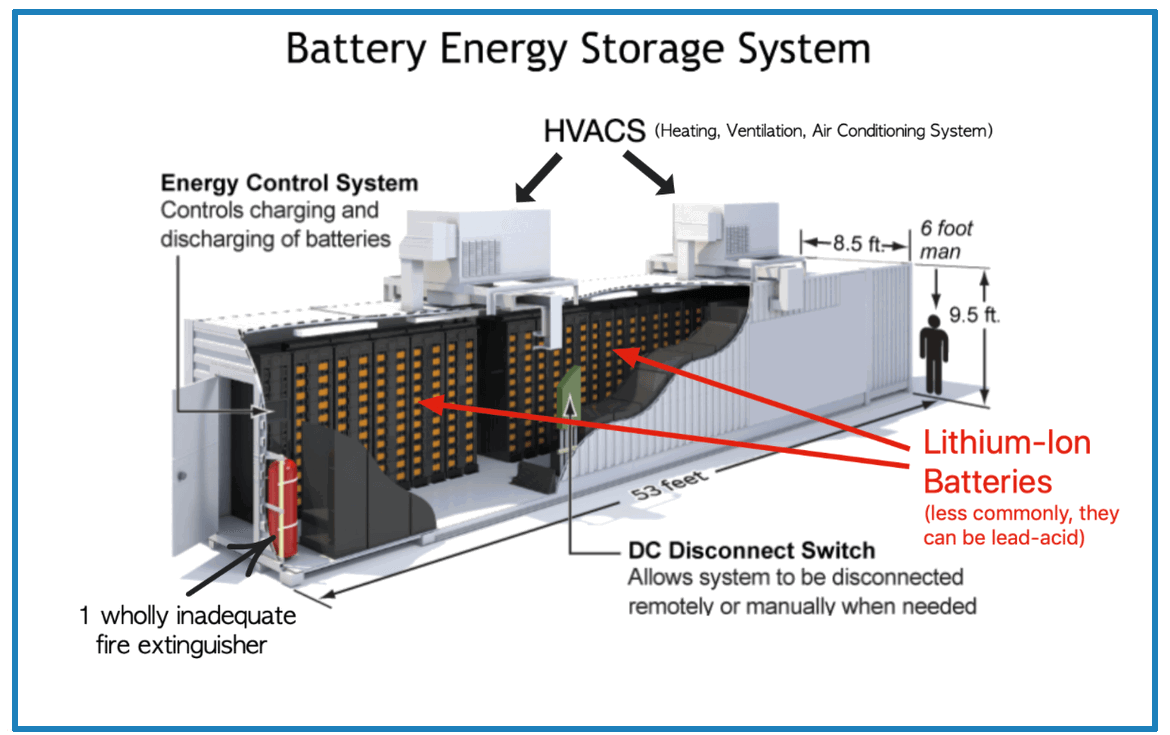
An Energy Storage System stores electrical energy during periods of low demand or when excess renewable energy is available. The stored energy is then supplied back to the electrical system during peak demand, power outages, or when renewable energy generation is low. A Battery Management System (BMS) monitors battery health, charging, and discharging to ensure safe and efficient operation.
Main Components
- Battery Bank – Stores electrical energy (Lithium-ion, Lead-acid, etc.)
- Battery Management System (BMS) – Monitors battery performance and safety
- Power Conversion System (PCS) – Converts AC to DC and DC to AC
- Energy Management System (EMS) – Controls energy flow and system operation
- Inverter/Converter – Interfaces the battery with the electrical grid or load
Applications / Where It Is Used
- Solar photovoltaic (PV) power plants
- Wind energy systems
- Smart grids
- Electric vehicle (EV) charging stations
- Uninterruptible Power Supply (UPS)
- Residential and commercial backup power
- Industrial power management
- Microgrids and remote electrification
Advantages
- Improves reliability of power supply
- Supports renewable energy integration
- Reduces peak electricity demand
- Provides backup during power failures
- Improves power quality and grid stability
- Reduces electricity costs through peak shaving
Future Scope
With increasing adoption of renewable energy and electric vehicles, Energy Storage Systems are becoming an essential part of modern power systems. Advanced battery technologies such as Lithium-ion, Solid-State Batteries, Sodium-ion Batteries, and Flow Batteries are expected to provide higher efficiency, longer life, faster charging, and lower costs.


Comments
Post a Comment